Table of Contents
Pain is the most common reason people walk into a pharmacy. Whether it is a headache, joint pain, menstrual cramps, or post-surgical discomfort — the drugs covered in Chapter 10 are what they are looking for. Analgesic and Anti-Inflammatory Agents are among the most widely used drug classes in the world, and understanding them well gives you both exam marks and real-world clinical confidence.
This article covers the complete PCI ER 2020 syllabus for Chapter 10 — Morphine Analogues, Narcotic Antagonists, and all eight NSAIDs — with IUPAC names, mechanisms, uses, formulations, and brand names.
What Are Analgesics and Anti-Inflammatory Agents?
Analgesics are drugs that relieve pain without causing loss of consciousness. Anti-inflammatory agents reduce inflammation — the body’s protective response to injury that causes redness, swelling, heat, and pain. Many drugs in this chapter do both simultaneously.
There are two broad categories of analgesics:
- Opioid analgesics act on opioid receptors in the brain and spinal cord to block pain signal transmission. They are powerful but carry risks of dependence and respiratory depression. Morphine is the prototype.
- Non-opioid analgesics work through different mechanisms, mainly by blocking prostagland production. They are safer for routine use and form the majority of drugs in this chapter.
The COX Enzyme — The Key to Understanding NSAIDs
Before looking at individual drugs, understanding one enzyme makes everything else in this chapter fall into place.
COX (Cyclooxygenase) is the enzyme that converts arachidonic acid into prostaglandins. Prostaglandins are local chemical mediators that sensitise pain receptors, trigger the fever response in the hypothalamus, and amplify inflammation at injury sites. Blocking COX means less prostaglandin production, which means less pain, less fever, and less inflammation.
COX exists in two forms. COX-1 is present in most tissues continuously and produces protective prostaglandins that maintain the stomach lining and support platelet aggregation for clotting. COX-2 is induced specifically at sites of inflammation and is the therapeutic target for pain and inflammation.
Non-selective NSAIDs block both COX-1 and COX-2. They work well but cause gastric side effects because COX-1 is also blocked. COX-2 selective inhibitors (coxibs) like celecoxib spare COX-1, causing less stomach damage but carrying higher cardiovascular risk with long-term use.
Storage Note — Applies to All Drugs in This Chapter
All drugs in Chapter 10 are stored at room temperature in a cool, dry place away from direct sunlight. No refrigeration is required for any drug in this chapter. This is a standard exam question with a uniform answer.
Classification of Analgesic and Anti-Inflammatory Agents
- Opioid Analgesics (Morphine Analogues): Hydromorphone, Oxycodone, Fentanyl, Methadone
- Narcotic Antagonists: Naloxone, Naltrexone, Nalmefene.
- Non-Selective NSAIDs: Aspirin, Diclofenac, Ibuprofen, Piroxicam, Mefenamic Acid, Aceclofenac.
- COX-2 Selective NSAID: Celecoxib.
- Non-opioid Analgesic and Antipyretic (Not an NSAID): Paracetamol
Section 1 — Morphine Analogues
Morphine is a naturally occurring alkaloid extracted from the opium poppy plant (Papaver somniferum). It is the gold standard opioid analgesic against which all other opioids are compared. Morphine analogues are compounds structurally similar to morphine that were developed to improve potency, duration, or side effect profile.
All morphine analogues work by binding to opioid receptors — primarily mu (μ) receptors — in the brain and spinal cord. This binding blocks the transmission of pain signals to higher brain centres and also triggers the release of dopamine in the reward pathway, which explains the euphoria and addiction potential of this drug class.
Hydromorphone is 5 to 10 times more potent than morphine with a shorter duration of action. Used in hospital settings for severe pain management when morphine is insufficient.
Oxycodone is used for moderate to severe pain. Available in immediate-release and extended-release formulations. Extended-release oxycodone (OxyContin) became infamous for its role in the opioid epidemic in the United States due to widespread misuse.
Fentanyl is 100 times more potent than morphine by weight. Used in anaesthesia and for cancer pain management. Available as transdermal patches, lozenges, and IV injections. Illicitly manufactured fentanyl is the primary driver of opioid overdose deaths globally.
Methadone is structurally different from morphine but pharmacologically similar. Has a very long half-life of 24 to 36 hours. Used primarily for opioid dependence treatment (opioid substitution therapy) and as a long-acting analgesic for chronic pain.
Section 2 — Narcotic Antagonists
Narcotic antagonists are drugs that bind to opioid receptors without activating them, thereby blocking the effects of opioids. They are competitive antagonists — they displace opioid agonists from the receptor and rapidly reverse the effects of opioid overdose, particularly life-threatening respiratory depression.
Naloxone is the most important narcotic antagonist in clinical use. It is the emergency antidote for opioid overdose. Works within 2 to 5 minutes when given intravenously or via nasal spray. Its duration of action (30 to 90 minutes) is shorter than most opioids, so repeat dosing may be needed. Available as Narcan nasal spray in many countries for community use in overdose emergencies.
Naltrexone is a longer-acting opioid antagonist used in the treatment of opioid dependence and alcohol dependence. By blocking opioid receptors chronically, it removes the euphoric reward from opioid use, helping patients maintain abstinence. Available as oral tablets and extended-release injections (Vivitrol).
Nalmefene is similar to naltrexone but with a longer duration of action. Used for reversal of opioid-induced effects and increasingly in the treatment of alcohol use disorder in Europe.
Section 3 — NSAIDs and Non-Opioid Analgesics
All eight drugs below are covered in the PCI syllabus. Three are asterisked — Aspirin, Ibuprofen, and Paracetamol — meaning chemical structures must be studied for these three.
Analgesic and Anti-Inflammatory Agent Drugs
1. Aspirin (Acetylsalicylic Acid)
Aspirin is one of the oldest drugs in clinical use — it has been prescribed since 1899 and remains one of the most important and versatile medicines ever developed. It is derived from salicylic acid, which was originally extracted from willow bark.
What makes aspirin unique among NSAIDs is that it irreversibly inhibits COX. All other NSAIDs are reversible competitive inhibitors. Aspirin acetylates a serine residue in the COX active site, permanently inactivating the enzyme. This irreversible action on platelet COX-1 is the basis of aspirin’s use as a blood thinner — platelets cannot synthesise new COX (they have no nucleus), so the effect lasts the entire lifespan of the platelet (8 to 10 days).
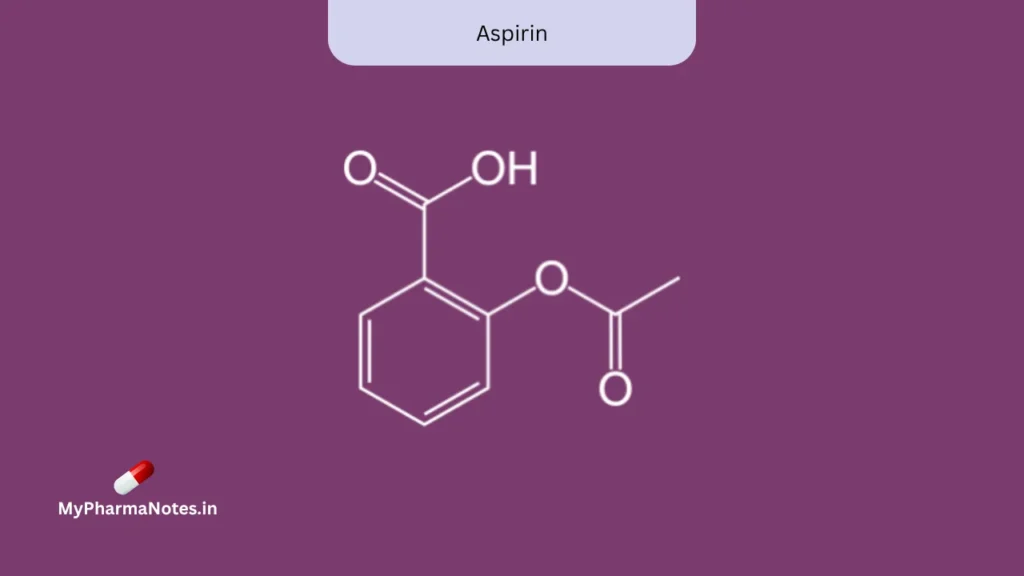
IUPAC Name: 2-acetyloxybenzoic acid
Class: Non-selective COX inhibitor (irreversible)
Mechanism: Irreversibly inhibits both COX-1 and COX-2 by acetylation, reducing prostaglandin and thromboxane synthesis.
Uses:
Fever reduction and mild to moderate pain relief — headaches, muscle aches, toothaches, common cold. Anti-inflammatory use in arthritis at higher doses. Low-dose aspirin (75–100 mg daily) as antiplatelet therapy to prevent heart attacks and strokes in high-risk patients. This is aspirin’s most important clinical use today.
Important exam point: Aspirin should not be given to children under 12 with viral infections due to the risk of Reye’s syndrome — a rare but serious condition causing liver and brain damage.
Formulations: Tablets
Brand Names: Aspro Clear, Disprin
2. Diclofenac
Diclofenac is one of the most prescribed NSAIDs in India and worldwide. It is available in more dosage forms than almost any other NSAID — tablets, injections, gels, eye drops, and patches — making it versatile for different pain conditions.
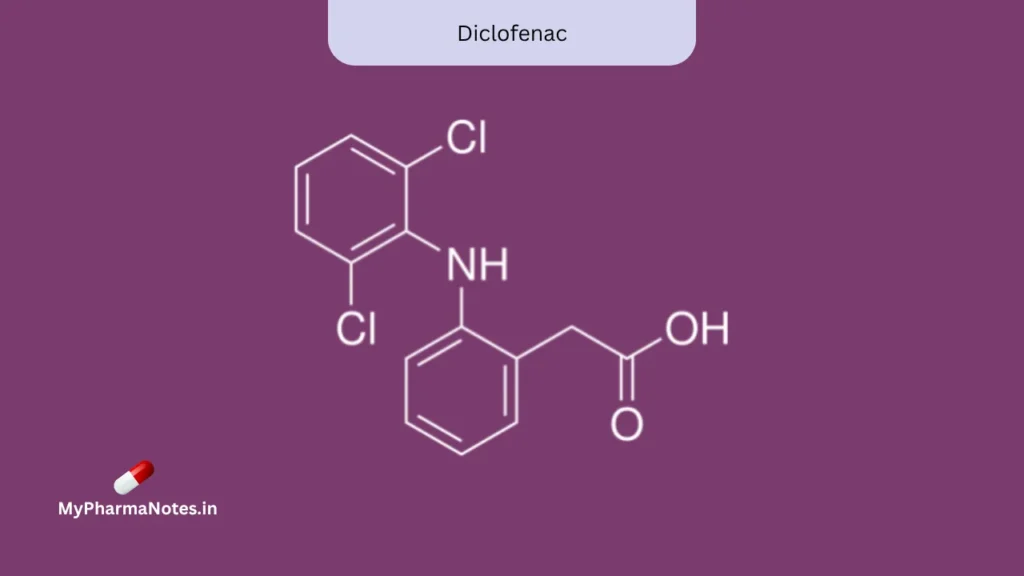
IUPAC Name: [2-(2,6-Dichloroanilino)phenyl]acetic acid
Class: Non-selective COX inhibitor (reversible), with mild COX-2 preference
Mechanism: Reversibly inhibits COX-1 and COX-2, reducing prostaglandin synthesis at sites of inflammation. Has a slight preference for COX-2 compared to pure non-selective NSAIDs.
Uses:
Inflammation, pain, and swelling from musculoskeletal conditions — arthritis, muscle injuries, back pain, and bone conditions. Also widely used as a topical gel for localised joint and muscle pain, reducing systemic side effects.
Formulations: Tablets
Brand Names: Zipsor, Zorvolex
3. Ibuprofen
Ibuprofen is probably the most commonly used OTC pain reliever in the world after paracetamol. It was the first NSAID approved for OTC use and is available in virtually every pharmacy in multiple forms. In India, it is sold under dozens of brand names.
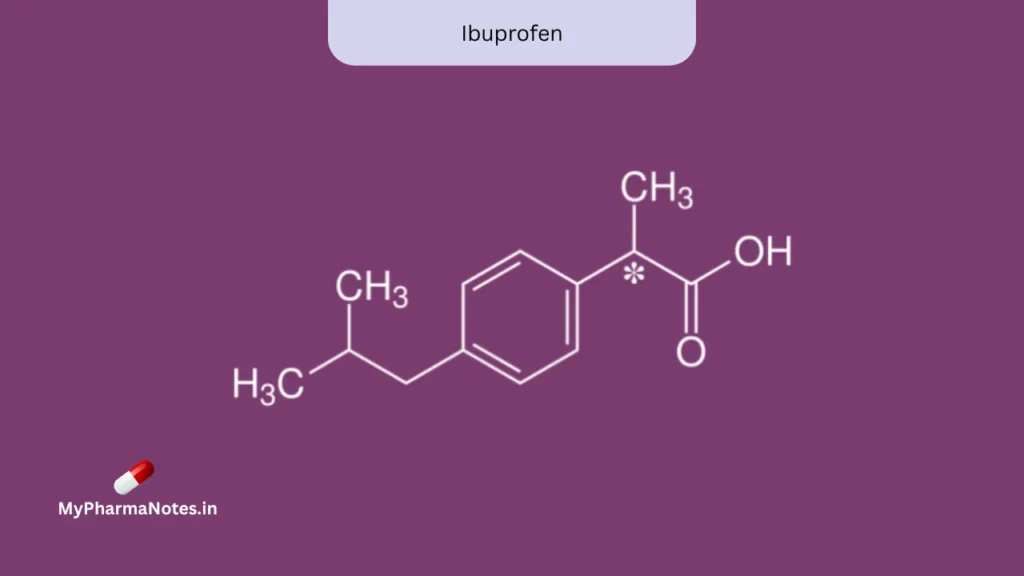
IUPAC Name: (RS)-2-(4-(2-Methylpropyl)phenyl)propanoic acid
Class: Non-selective COX inhibitor (reversible)
Mechanism: Reversibly and competitively inhibits both COX-1 and COX-2, reducing prostaglandin synthesis. The S(+) enantiomer is the pharmacologically active form.
Uses:
Fever reduction (antipyretic). Relief of mild to moderate pain — headaches, muscle aches, toothaches, menstrual cramps, backaches, and cold symptoms. Anti-inflammatory use in arthritis and sports injuries. It is the preferred NSAID for children due to its well-established safety profile at therapeutic doses.
Formulations: Tablets, Capsule, Eye Drops
Brand Names: Advil, Midol, Motrin
4. Piroxicam
Piroxicam belongs to the oxicam class of NSAIDs and has one feature that distinguishes it from ibuprofen and diclofenac — its exceptionally long half-life of approximately 50 hours. This means once-daily dosing is sufficient, which significantly improves patient compliance in chronic conditions like arthritis.
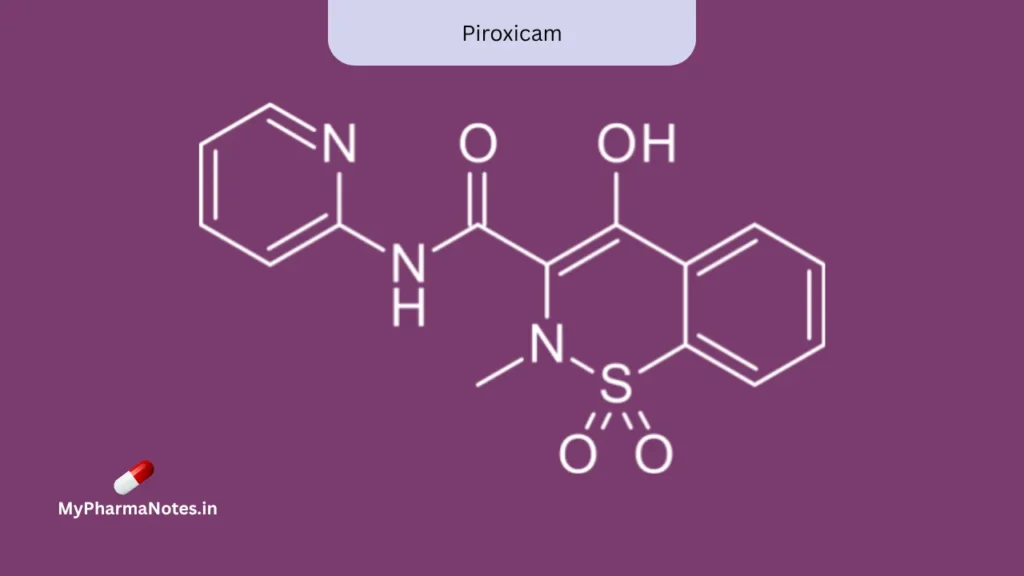
IUPAC Name: 4-Hydroxy-2-methyl-N-(2-pyridinyl)-2H-1,2-benzothiazine-3-carboxamide 1,1-dioxide
Class: Non-selective COX inhibitor (oxicam group), reversible
Mechanism: Reversibly inhibits COX-1 and COX-2. Due to its long half-life, it accumulates to steady-state levels with once-daily dosing, providing sustained anti-inflammatory coverage.
Uses:
Treatment of osteoarthritis, rheumatoid arthritis, ankylosing spondylitis, and acute gout. Inflammation, swelling, stiffness, and joint pain in chronic arthritis conditions. Not ideal for acute short-term pain due to its slow onset.
Formulations: Tablets, Capsule
Brand Names: Feldene
5. Celecoxib
Celecoxib was the first COX-2 selective inhibitor (coxib) to be approved for clinical use and represents a major advancement in NSAID pharmacology. By selectively targeting COX-2 while sparing COX-1, it provides anti-inflammatory and analgesic effects with significantly reduced gastric damage compared to traditional NSAIDs.
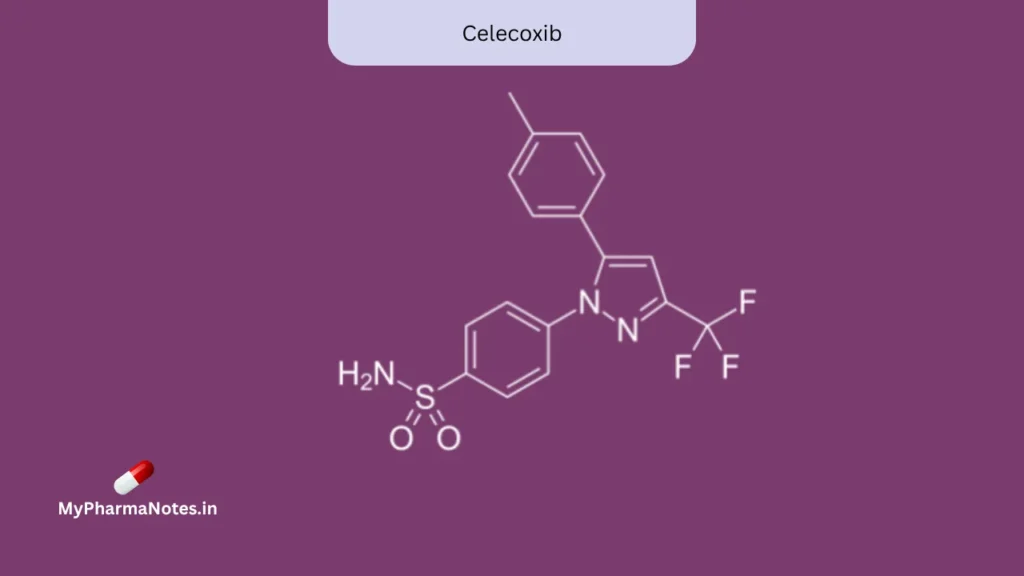
IUPAC Name: 4-[5-(4-Methylphenyl)-3-(trifluoromethyl)pyrazol-1-yl]benzenesulfonamide
Class: Selective COX-2 inhibitor (Coxib)
Mechanism: Selectively inhibits COX-2 enzyme while leaving COX-1 largely unaffected. This means prostaglandins that protect the stomach lining (produced via COX-1) continue to be made, significantly reducing gastrointestinal side effects. However, COX-2 also normally produces prostacyclin, which prevents blood clotting — blocking it without blocking COX-1-mediated thromboxane shifts the balance toward clotting, explaining the increased cardiovascular risk.
Uses:
Arthritis (osteoarthritis and rheumatoid arthritis), acute pain, dysmenorrhoea (menstrual pain), and migraine. Preferred over traditional NSAIDs in patients with peptic ulcer disease or high gastric bleed risk.
Important exam point: Rofecoxib (Vioxx), another COX-2 inhibitor, was withdrawn from the market in 2004 due to increased risk of heart attacks. Celecoxib remains available but with cardiovascular warnings.
Formulations: Tablets, Capsule
Brand Names: Celebrex
6. Mefenamic Acid
Mefenamic acid belongs to the fenamate class of NSAIDs — a group characterised by an anthranilic acid core with an arylamine substituent. It is particularly well known for its effectiveness in dysmenorrhoea (menstrual pain) and is among the most prescribed drugs for this indication in India.
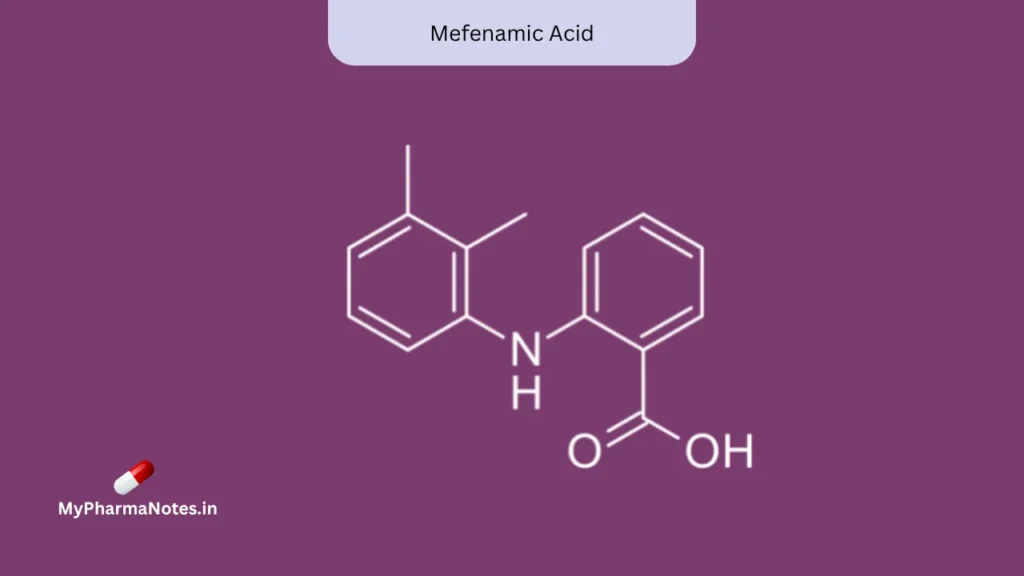
IUPAC Name: 2-(2,3-dimethylphenyl)aminobenzoic acid
Class: Non-selective COX inhibitor (Fenamate group)
Mechanism: Inhibits both COX-1 and COX-2, reducing prostaglandin synthesis. Also blocks prostaglandin action at receptor level — a dual mechanism not seen with most other NSAIDs. Prostaglandins are responsible for uterine contractions that cause menstrual pain, so blocking their production and action gives particularly effective relief.
Uses:
Primary dysmenorrhoea — menstrual pain occurring before or during menstruation. Also used for mild to moderate pain from headaches, dental pain, and musculoskeletal conditions. Short-term use (up to 7 days) is recommended due to gastrointestinal side effect risk.
Formulations: Tablets, Capsule
Brand Names: Ponstel
7. Paracetamol (Acetaminophen)
Paracetamol is the most widely used analgesic and antipyretic in the world. It is the first drug recommended for fever and mild to moderate pain across all age groups — from newborns to the elderly. Despite being used for over a century, its exact mechanism of action is still debated, which makes it pharmacologically unique.
Critically, paracetamol is NOT an NSAID. It does not significantly inhibit COX in peripheral inflamed tissues, which is why it has no meaningful anti-inflammatory effect at standard doses. It also does not damage the gastric lining — making it safe for patients with gastric ulcers who cannot tolerate NSAIDs.
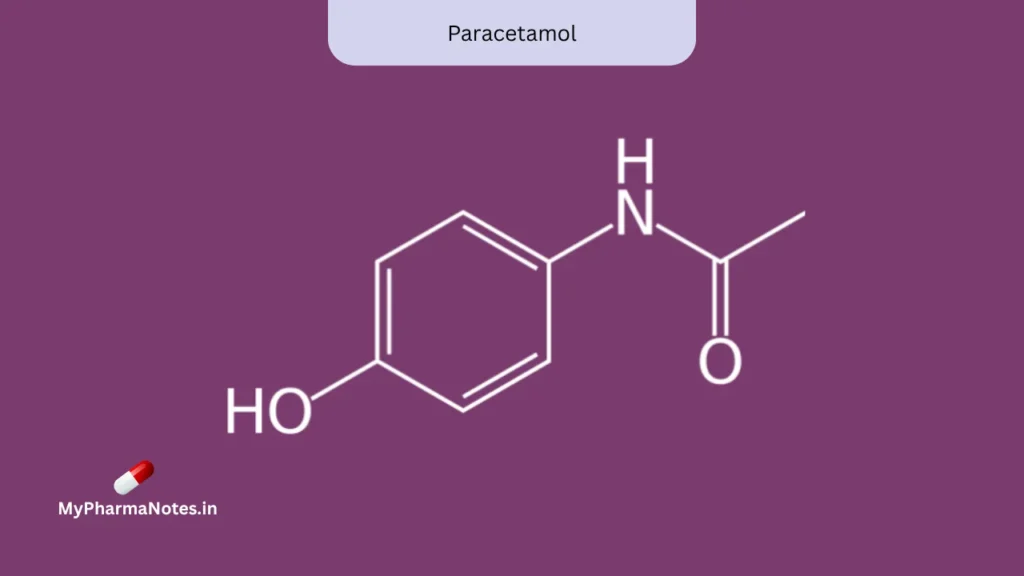
IUPAC Name: N-(4-hydroxyphenyl)acetamide
Class: Non-opioid analgesic and antipyretic (not an NSAID)
Mechanism: The exact mechanism remains incompletely understood. It is thought to inhibit COX enzymes centrally in the brain, particularly at the hypothalamus where fever is regulated. A newer theory suggests it may act through the endocannabinoid system or by inhibiting a variant called COX-3. The key point is that it works centrally, not peripherally — which explains the lack of anti-inflammatory action at injured tissues.
Uses:
Fever (antipyretic) — first choice for fever in all age groups including children and pregnant women. Mild to moderate pain — headaches, toothaches, post-vaccination fever, and general body pain. Safe for patients with peptic ulcers, aspirin sensitivity, and bleeding disorders.
Important exam point — Hepatotoxicity: Paracetamol overdose causes severe liver damage and is the leading cause of acute liver failure in many countries. The toxic metabolite NAPQI accumulates when glutathione stores are depleted. The antidote is N-acetylcysteine (NAC), which replenishes glutathione. This is the most clinically important side effect of paracetamol.
Formulations: Tablets
Brand Names: Tylenol, Excedrin, Calpol, Panadol
8. Aceclofenac
Aceclofenac is a newer derivative of diclofenac and is one of the most commonly prescribed NSAIDs in India. It is essentially a prodrug — after absorption, it is partially converted to diclofenac in the body, so it shares diclofenac’s mechanism but with some pharmacokinetic differences that give it a slightly better gastric tolerability profile.
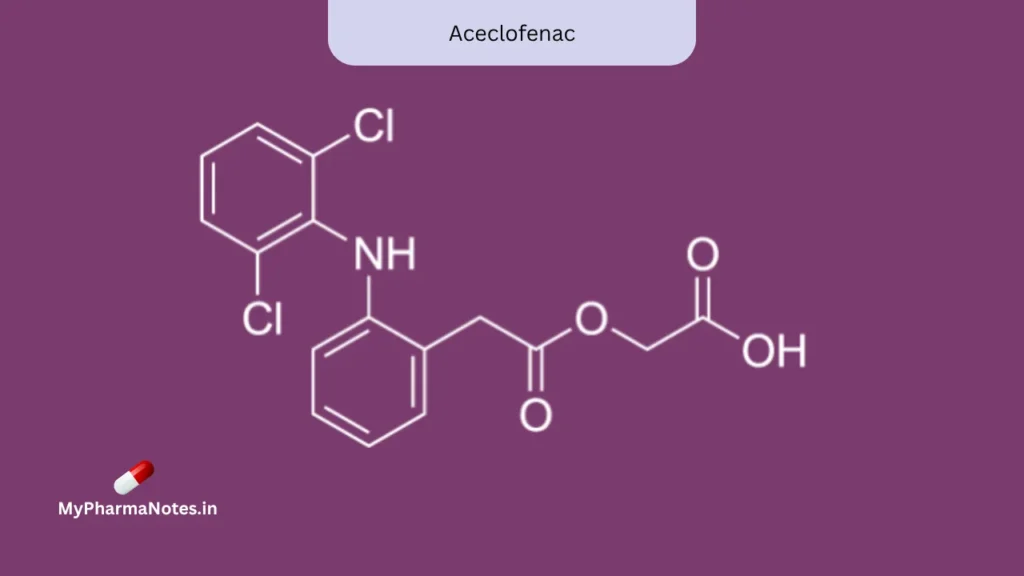
IUPAC Name: 2-[2-[2-[(2,6-dichlorophenyl)amino]phenyl]acetyl]oxyacetic acid
Class: Non-selective COX inhibitor, diclofenac derivative
Mechanism: Inhibits COX-1 and COX-2, reducing prostaglandin synthesis. Partially converted to diclofenac in vivo. Also stimulates synthesis of interleukin-1 receptor antagonist, providing an additional anti-inflammatory mechanism beyond COX inhibition.
Uses:
Pain and inflammation in rheumatoid arthritis, osteoarthritis, and ankylosing spondylitis. Joint swelling, stiffness, and pain. Widely used in India for musculoskeletal pain and dental pain. Commonly combined with paracetamol in fixed-dose combinations.
Formulations: Tablets, Capsule
Brand Names: Acloflam
Quick Comparison — NSAIDs in This Chapter
| Drug | Class | COX Selectivity | Special Feature | Brand |
|---|---|---|---|---|
| Aspirin | Salicylate | Non-selective | Irreversible inhibition, antiplatelet | Disprin |
| Diclofenac | Acetic acid derivative | Non-selective (mild COX-2 preference) | Available in many dosage forms | Zipsor |
| Ibuprofen | Propionic acid derivative | Non-selective | OTC, safe in children | Advil, Motrin |
| Piroxicam | Oxicam | Non-selective | Once-daily dosing, long half-life | Feldene |
| Celecoxib | Coxib | Selective COX-2 | Gastric-sparing, cardiovascular risk | Celebrex |
| Mefenamic Acid | Fenamate | Non-selective | Dual mechanism, best for dysmenorrhoea | Ponstel |
| Paracetamol | Non-NSAID | Central only | No anti-inflammatory, no gastric damage | Calpol |
| Aceclofenac | Acetic acid derivative | Non-selective | Diclofenac prodrug, good GI tolerability | Acloflam |
High-Yield Exam Points – Chapter 10 (Analgesic & Anti-Inflammatory Agents)
- Aspirin, Ibuprofen, and Paracetamol are the three asterisked drugs — chemical structures required for all three.
- Aspirin is the only irreversible COX inhibitor. All other NSAIDs are reversible.
- Celecoxib is the only COX-2 selective inhibitor in the syllabus. It spares the gastric lining but increases cardiovascular risk.
- Paracetamol is NOT an NSAID — it has no significant anti-inflammatory effect. It works centrally, not at inflamed peripheral tissues.
- Paracetamol overdose causes liver failure — antidote is N-acetylcysteine.
- Aspirin should not be given to children under 12 with viral infections — risk of Reye’s syndrome.
- Mefenamic acid has a dual mechanism — blocks both COX and prostaglandin receptors. Most effective NSAID for menstrual pain.
- Piroxicam has the longest half-life among syllabus NSAIDs — once-daily dosing for chronic arthritis.
- Naloxone is the emergency antidote for opioid overdose. Given IV or via nasal spray.
- Naltrexone is used for opioid and alcohol dependence treatment — not for acute overdose.
FAQ – Analgesics and Anti-Inflammatory Drugs
What is the difference between analgesics and anti-inflammatory drugs?
Analgesics relieve pain. Anti-inflammatory drugs reduce inflammation. Most NSAIDs in this chapter do both. Paracetamol is analgesic and antipyretic but not anti-inflammatory. Opioids are purely analgesic with no anti-inflammatory action.
What is the IUPAC name of Aspirin?
2-acetyloxybenzoic acid
What is the IUPAC name of Ibuprofen?
(RS)-2-(4-(2-Methylpropyl)phenyl)propanoic acid
What is the IUPAC name of Paracetamol?
N-(4-hydroxyphenyl)acetamide
Why is aspirin used as a blood thinner?
Aspirin irreversibly inhibits COX-1 in platelets, blocking thromboxane A2 production which is needed for platelet aggregation. Because platelets have no nucleus, they cannot synthesise new COX. The antiplatelet effect lasts the entire platelet lifespan of 8 to 10 days.
What is the difference between Celecoxib and other NSAIDs?
Celecoxib selectively inhibits COX-2 while sparing COX-1. This preserves gastric protective prostaglandins, causing less stomach damage. However, it also removes the cardiovascular protection offered by prostacyclin, increasing the risk of heart attacks with long-term use.
Why is Paracetamol preferred over NSAIDs for fever in children?
Paracetamol has no gastric side effects, no risk of Reye’s syndrome (unlike aspirin), and no COX inhibition effects that could complicate developing organ systems. It is well tolerated across all ages including newborns.
What is the antidote for Paracetamol overdose?
N-acetylcysteine (NAC), which replenishes glutathione stores in the liver and prevents accumulation of the toxic metabolite NAPQI that causes hepatocellular damage.
What is the difference between Naloxone and Naltrexone?
Naloxone is short-acting and given IV or nasally for acute opioid overdose emergency reversal. Naltrexone is longer-acting, given orally or as a monthly injection, and is used for maintenance treatment of opioid and alcohol dependence — not for acute emergencies.
What makes Aceclofenac different from Diclofenac?
Aceclofenac is a prodrug that is partially converted to diclofenac in the body. It has a slightly better gastric tolerability profile and an additional anti-inflammatory mechanism — it stimulates interleukin-1 receptor antagonist synthesis — making it more than just a diclofenac copy.
D.Pharma 1st Year — All Subjects Notes
D.Pharma 2nd Year — All Subjects Notes
