Table of Contents
Introduction
Drugs acting on the cardiovascular system are medications used to treat a variety of heart and blood vessel conditions. They work by affecting heart rate, blood pressure, and blood flow. Anti-arrhythmic drugs specifically treat abnormal heart rhythms (arrhythmias), which can be caused by heart disease, medications, or electrolyte imbalances.
Classification of Anti-Arrhythmic Drugs
Class I — Sodium Channel Blockers These drugs slow down electrical impulses in the heart by blocking sodium channels in the heart muscle. Examples: Quinidine, Procainamide, Disopyramide.
Class II — Beta Blockers These block the effects of adrenaline, reducing heart rate and blood pressure. Examples: Propranolol, Atenolol, Metoprolol.
Class III — Potassium Channel Blockers These prolong electrical impulses in the heart by blocking potassium channels. Examples: Amiodarone, Sotalol, Dofetilide.
Class IV — Calcium Channel Blockers These block calcium movement into cells, relaxing smooth muscles in blood vessel walls, widening vessels and improving blood flow to the heart. Examples: Diltiazem, Verapamil.
1. Quinidine Sulphate
Classification: Class I Anti-Arrhythmic Agent
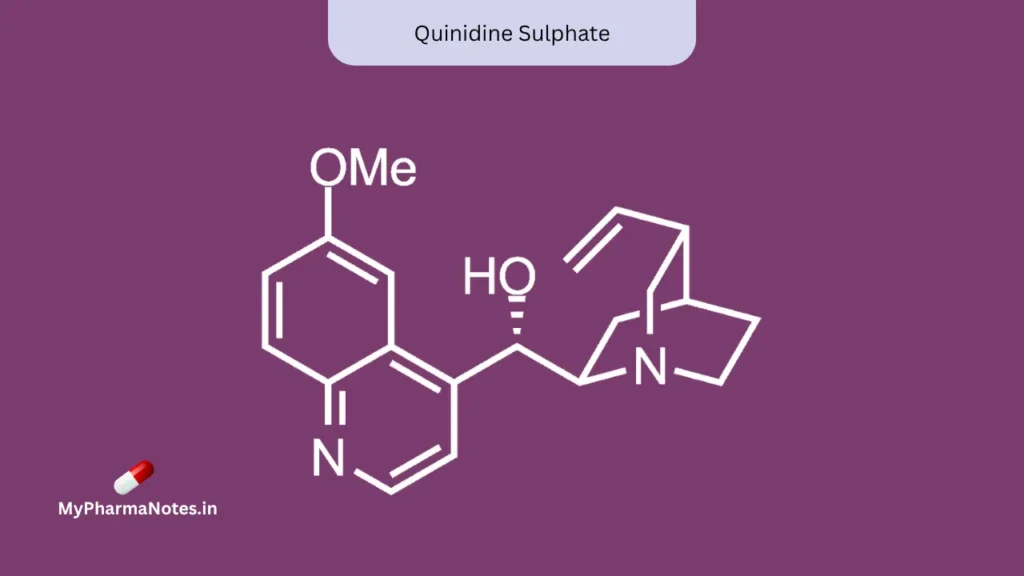
IUPAC/Chemical Name: (S)-(6-Methoxyquinolin-4-yl)[(1S,2R,4S,5R)-5-vinylquinuclidin-2-yl]methanol
Mechanism of Action: Quinidine primarily works by blocking the fast inward sodium current (INa) — an effect known as “use-dependent block.” It is a diastereomer of the antimalarial drug quinine, originally derived from the bark of the cinchona tree.
Uses:
- Treatment and prevention of irregular heartbeats such as atrial fibrillation
- Reduces the number of arrhythmic episodes, improving ability to perform normal activities
Stability and Storage: Store at room temperature in a cool, dry place. Protect from direct sunlight.
Formulations: Tablets, Capsules
Brand Names: Natcardine, Quinidex
2. Procainamide Hydrochloride
Classification: Class I Anti-Arrhythmic Agent
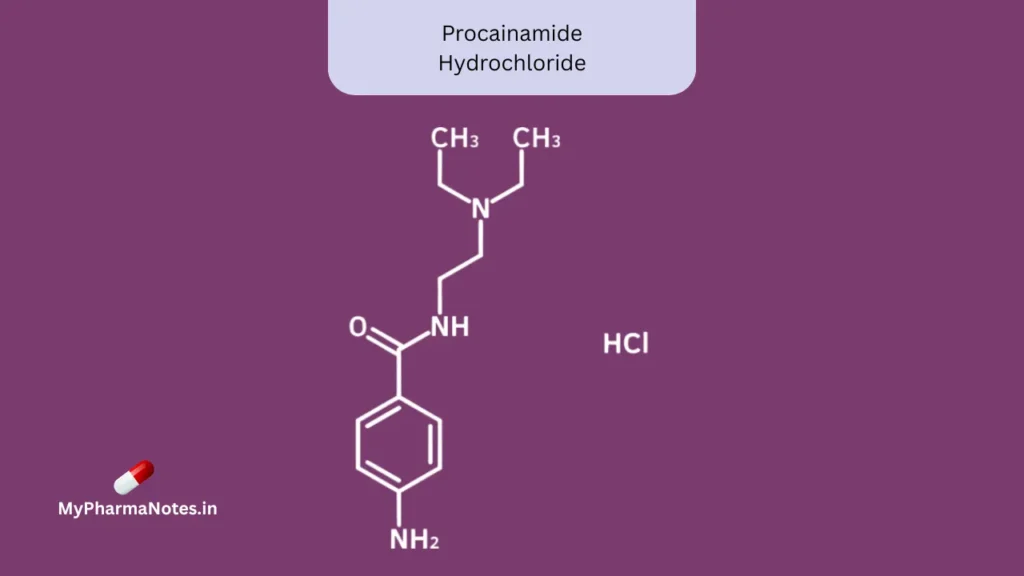
IUPAC/Chemical Name: 2-(diethylamino)ethyl 4-aminobenzoate
Uses:
- Infiltration anesthesia
- Peripheral nerve block
- Spinal block
Stability and Storage: Store at room temperature in a cool, dry place. Protect from direct sunlight.
Formulations: Tablets, Injection
Brand Names: Procanbid, Pronestyl
3. Verapamil
Classification: Class IV Anti-Arrhythmic Agent (Calcium Channel Blocker)
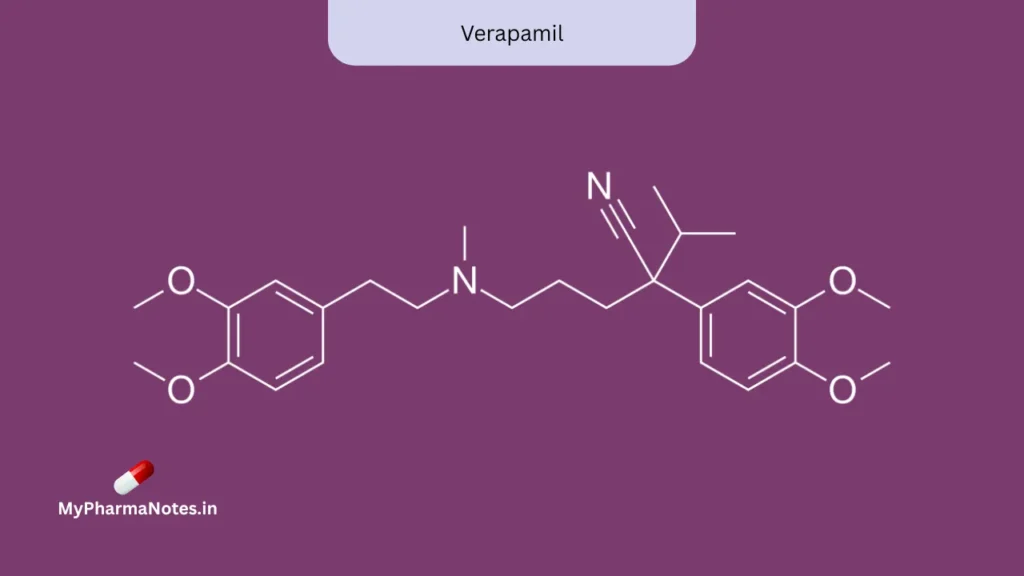
IUPAC/Chemical Name: (RS)-2-(3,4-Dimethoxyphenyl)-5-{2-(3,4-dimethoxyphenyl)ethylamino}-2-(propan-2-yl)pentanenitrile
Uses:
- Prevention of chest pain (angina)
- Treatment of irregular heart rhythms (arrhythmias)
- Treatment of high blood pressure (hypertension) and prevention of future heart disease
Stability and Storage: Store at room temperature in a cool, dry place. Protect from direct sunlight.
Formulations: Tablets
Brand Names: Verelan, Verelan PM
4. Phenytoin Sodium
Classification: Class I Anti-Arrhythmic Agent / Antiepileptic
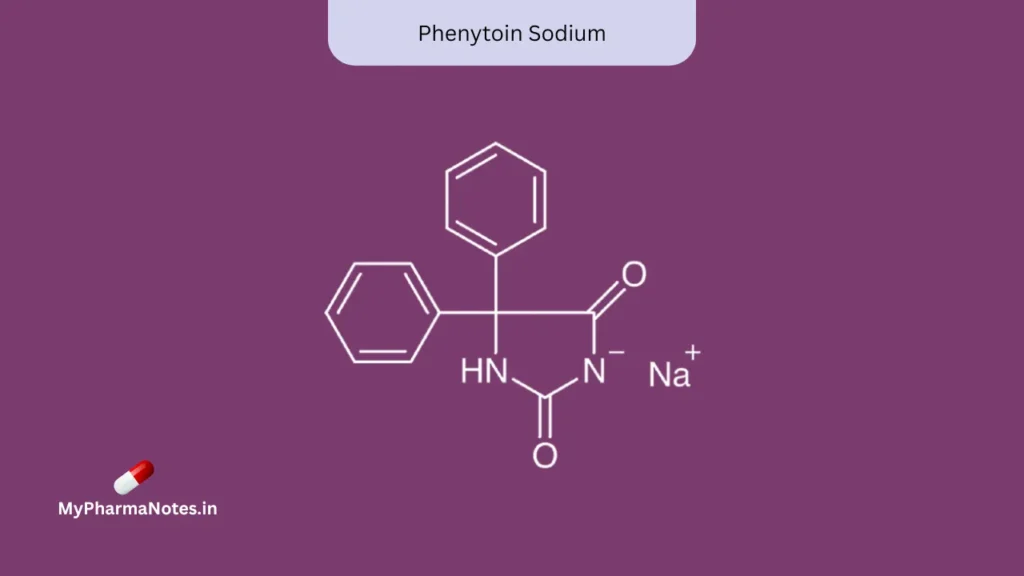
IUPAC/Chemical Name: Sodium 5,5-diphenyl-2,4-imidazolidinedione
Uses:
- Management and treatment of epilepsy
- Generalized tonic-clonic seizures
- Complex partial seizures
- Status epilepticus
Stability and Storage: Store at room temperature in a cool, dry place. Protect from direct sunlight.
Formulations: Tablets
Brand Names: Epanutin, Epanutin Infatabs
5. Lidocaine Hydrochloride
Classification: Class Ib Anti-Arrhythmic Agent / Local Anesthetic
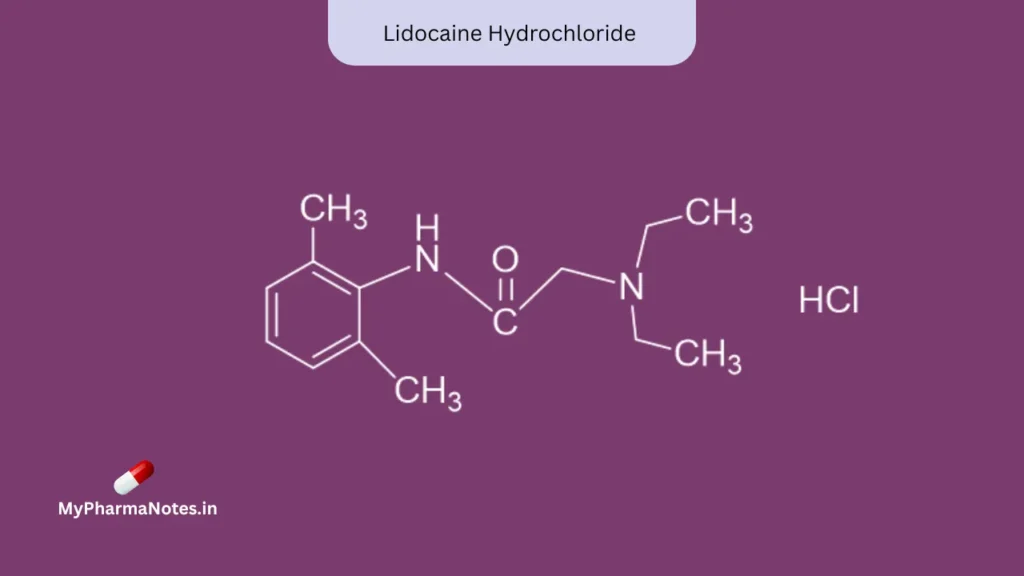
IUPAC/Chemical Name: 2-(Diethylamino)-N-(2,6-dimethylphenyl)acetamide (also known as Lignocaine)
Uses:
- Prevention and treatment of pain during medical procedures
- Relief of pain caused by urethritis (swelling of the urinary tract) — works by numbing moist body areas
- Treatment of minor burns, scrapes, and insect bites
Stability and Storage: Store at room temperature in a cool, dry place. Protect from direct sunlight.
Formulations: Tablets, Capsules, Jelly
Brand Names: Xylocaine
6. Lorcainide Hydrochloride
Classification: Class Ic Anti-Arrhythmic Agent
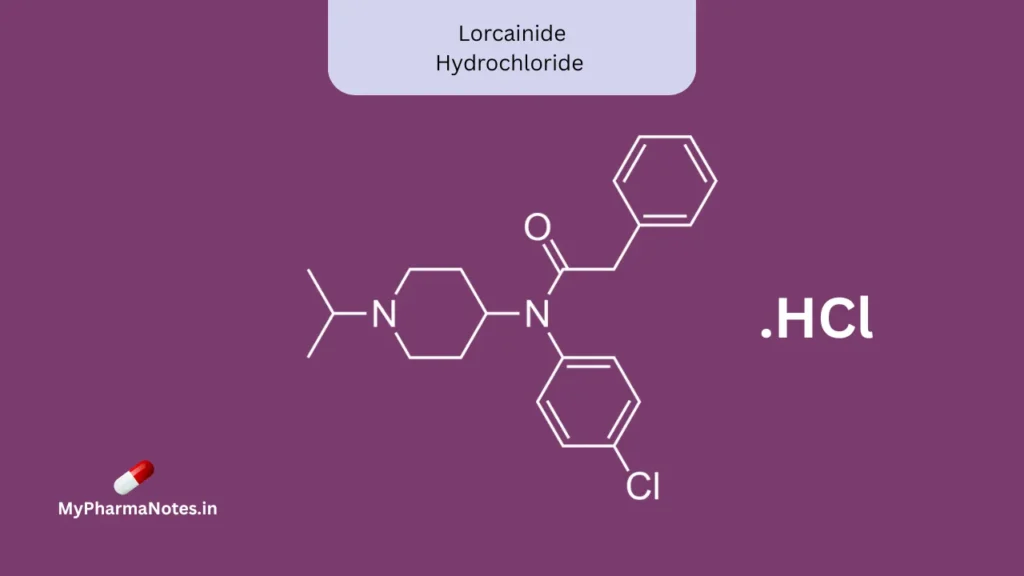
IUPAC/Chemical Name: N-(4-chlorophenyl)-N-(1-isopropylpiperidin-4-yl)-2-phenylacetamide
Uses:
- Restores normal heart rhythm and conduction in patients with premature ventricular contractions, ventricular tachycardia, and Wolff–Parkinson–White syndrome
- Prevention of recurrent ventricular fibrillation
Stability and Storage: Store at room temperature in a cool, dry place. Protect from direct sunlight.
Formulations: Tablets, Capsules
Brand Names: Remivox
7. Amiodarone
Classification: Class III Anti-Arrhythmic Agent
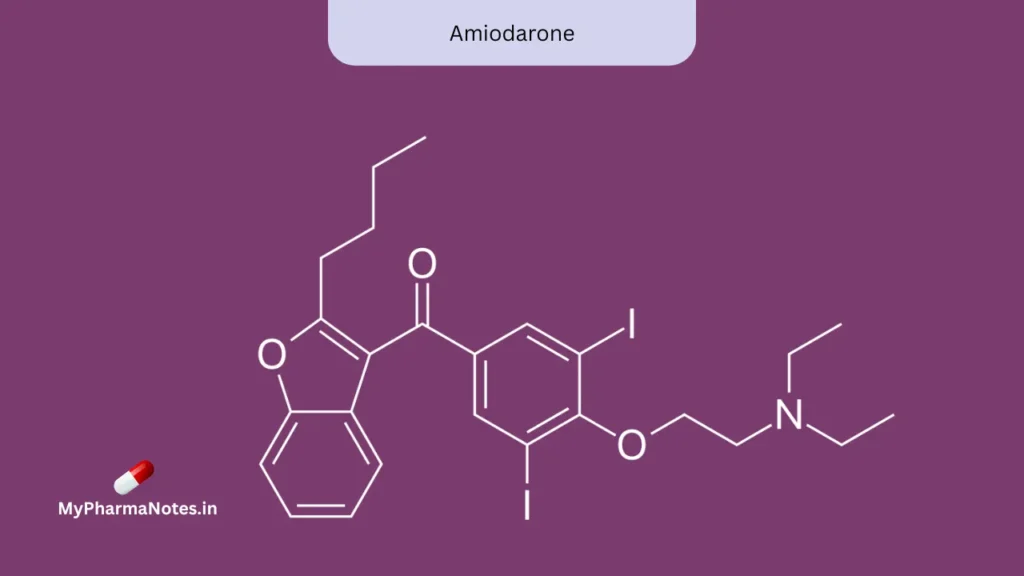
IUPAC/Chemical Name: (2-butyl-1-benzofuran-3-yl)-[4-[2-(diethylamino)ethoxy]-3,5-diiodophenyl]methanone
Uses:
- Treatment and prevention of serious, life-threatening ventricular arrhythmias, particularly when other medications have failed or could not be tolerated
Stability and Storage: Store at room temperature in a cool, dry place. Protect from direct sunlight.
Formulations: Tablets
Brand Names: Pacerone
8. Sotalol
Classification: Class III Anti-Arrhythmic Agent
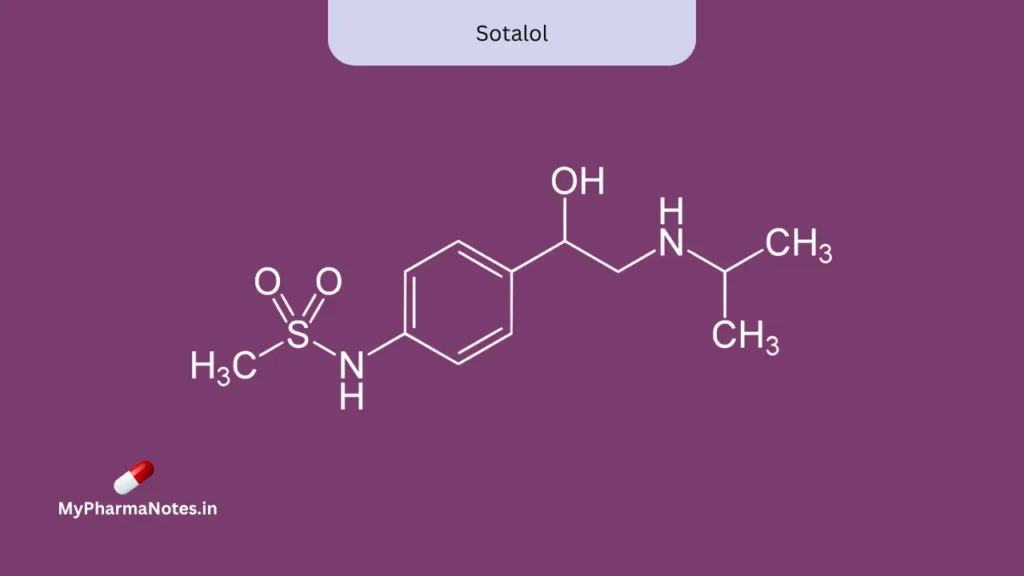
IUPAC/Chemical Name: (RS)-N-{4-[1-hydroxy-2-(propan-2-ylamino)ethyl]phenyl}methanesulfonamide
Uses:
- Treatment of atrial fibrillation and other irregular heartbeat conditions
- Treatment of sustained ventricular tachycardia (a serious, potentially life-threatening fast heartbeat)
Stability and Storage: Store at room temperature in a cool, dry place. Protect from direct sunlight.
Formulations: Tablets
Brand Names: Betapace, Sorine
D.Pharma 1st Year — All Subjects Notes
D.Pharma 2nd Year — All Subjects Notes
